Riff Gods and Their Chains: When Six Seconds of Guitar Defines a Band Forever
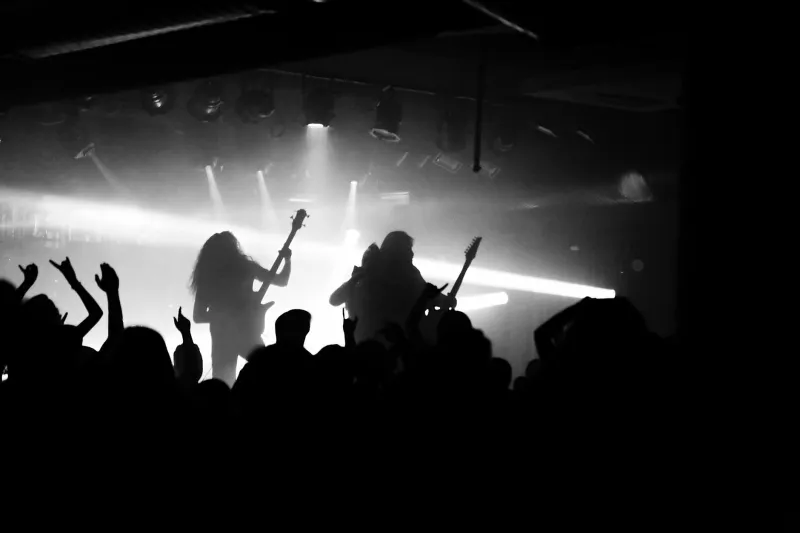
There's a moment at every rock concert — you probably know it — where the crowd stops being a crowd and becomes something closer to a single organism. It happens before the vocals kick in, before the drums even settle into a groove. It happens the second that riff starts. Heads snap up. Phones go down. A few thousand people exhale at exactly the same time.
That moment is magic. It's also a trap.
For certain bands, one guitar line has a way of eating everything else alive. It becomes the band's handshake, their logo, their whole reason for existing in the public imagination. And while that kind of instant recognition is the dream every garage band chases, the artists living inside that legacy will tell you it's a genuinely complicated place to be.
The Riff as Identity
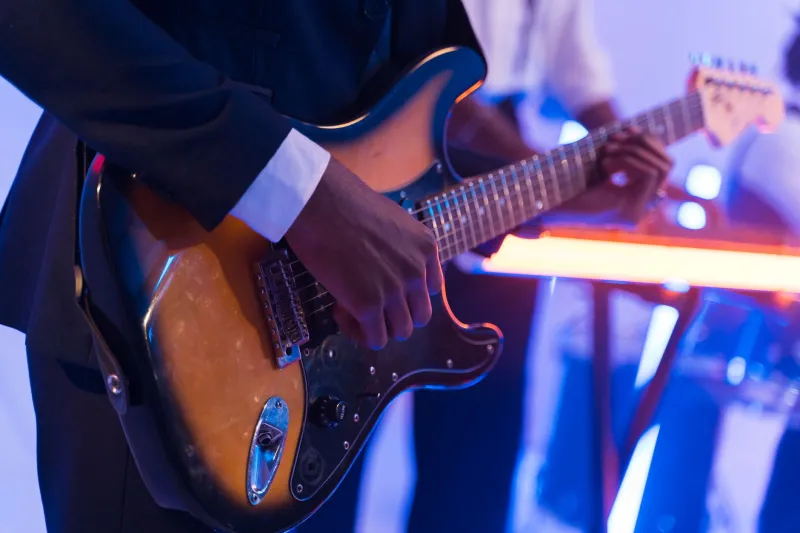
Let's call it what it is: some riffs are just different. The opening to "Back in Black." The two-note stomp of "Seven Nation Army." The greasy, slow-burn crawl of "No One Knows." These aren't just good guitar parts — they're cultural shorthand. You hear three notes and your brain fills in the rest automatically, like muscle memory for your ears.
Musicologists who study rock's evolution point to a handful of qualities that separate a merely great riff from one that colonizes the cultural brain. Simplicity is huge — the riffs that stick are almost never technically demanding. They're memorable precisely because they don't ask too much of the listener. Rhythmic distinctiveness matters too. The best riffs have a physical quality; they make your body respond before your brain catches up.
But here's where it gets interesting: the riffs that truly define a band's identity tend to arrive early. They show up on a debut or a breakthrough record, before the band has had a chance to fully figure out who they are. Which means the world decides who that band is for them, locking in an image based on a single moment of inspiration that might have taken twenty minutes to write.
The Blessing Is Real — Don't Pretend It Isn't
Before we get into the complicated stuff, it's worth acknowledging the obvious: having a signature riff is an enormous gift. It means instant radio recognition. It means casual fans who can't name your second album still buy tickets when you come through town. It means your song ends up in movie trailers, sports arenas, and beer commercials for the next forty years.
AC/DC built an entire empire on this principle. Their catalog is stacked with riffs so elemental they feel less like compositions and more like forces of nature — and that consistency turned them into one of the highest-grossing touring acts in rock history. The riff-forward identity wasn't a limitation for them. It was the business model.
The White Stripes used "Seven Nation Army" to punch through a cultural moment so hard that the riff eventually escaped the band entirely and became a stadium chant used by soccer fans worldwide who may have never consciously listened to a White Stripes record. That's a level of cultural penetration most artists can't even conceptualize.
So yes, the blessing is real. But spend any time talking to musicians who've lived inside that kind of legacy, and the conversation gets complicated fast.
When the Riff Starts Running the Show
Here's the tension that doesn't get talked about enough: bands grow. They change. They get bored, they get older, they develop new obsessions and want to chase them. That's the natural arc of any creative career. But when your audience has a riff tattooed on their expectations, growing can feel like betrayal.
Queens of the Stone Age have navigated this better than most, largely because Josh Homme has always seemed constitutionally incapable of caring what anyone thinks. But even QOTSA — a band whose whole identity is built on shifting sounds and refusing to repeat themselves — gets pulled back to that "No One Knows" gravitational field at every live show. The crowd needs it. And there's a version of that need that stops being appreciation and starts being demand.
Musicians describe a specific kind of creative claustrophobia that sets in when a riff becomes their whole story. You spend years developing as a songwriter, experimenting with structure and texture and dynamics, and then you walk on stage and watch ten thousand people check out during the new stuff and lose their minds the second you play the thing you wrote when you were twenty-three. It sends a message. That message is: we liked you better when you were less.
Some bands internalize that message. They start writing toward the riff — chasing the same feeling, the same formula, because that's what the market has told them it wants. And that's often where legacies start to calcify. The band stops evolving and starts curating their own greatest hits in real time.
The Audience's Role in the Cage
It would be easy to frame this as a story about artists being constrained by commercial pressure or label expectations. But honestly? A lot of the weight comes directly from fans. Rock audiences have a complicated relationship with nostalgia, and nowhere is that more visible than in the demand for signature moments.
There's a real phenomenon at rock shows where the set list gets treated like a contract. Fans who've been listening to a band for fifteen years feel genuinely wronged if the iconic riff doesn't appear. They paid for the experience, they know what the experience is supposed to feel like, and anything that deviates from that script registers as a personal slight.
This isn't unique to rock, but rock's culture of authenticity makes it particularly loaded. In a genre where "selling out" is still a real accusation and creative integrity gets treated as sacred, the pressure to keep playing the riff becomes this strange paradox: the crowd demands the moment that made the band feel authentic, even when playing that moment has become the least authentic thing the band does.
Finding a Way to Live With It
The bands that manage this tension best tend to be the ones who find a way to make peace with their riff without letting it own them. They play it, they honor it, but they treat it as a conversation rather than a museum piece — stretching it live, recontextualizing it on new records, refusing to let it be the only thing they're allowed to say.
There's also something to be said for reframing the legacy entirely. A defining riff isn't a prison sentence. It's proof that you made something that mattered enough to stick. In a world where most music evaporates within a news cycle, leaving a mark that lasts decades is genuinely extraordinary.
But the artists who thrive long-term are the ones who never fully surrender their creative curiosity to the riff's gravitational pull. They write the new record anyway. They tour behind ideas that scare them a little. They trust that the audience who actually loves them — not just the riff — will follow.
The riff will always be there. The question is whether the band is still in the room with it, or just orbiting it from a distance, wondering how something so small ended up taking up so much space.