The Clone Economy: Inside the Booming Business of Rock Tribute Acts
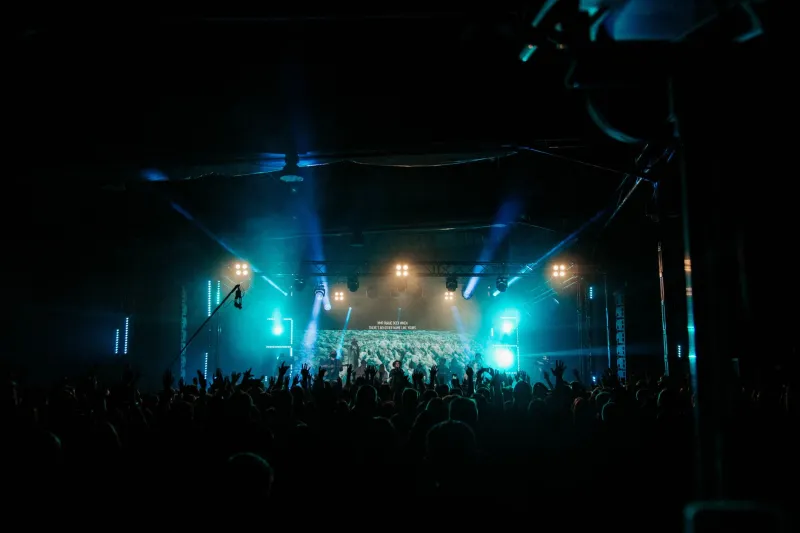
On a Friday night in suburban Phoenix, a venue that holds roughly 1,200 people is sold out. The band on stage is tight, energetic, and technically impressive. The crowd knows every word. The merch table is doing serious business. By any reasonable measure, it's a successful rock show.
Except the headliner is a Fleetwood Mac tribute band, and the real Fleetwood Mac hasn't been a functioning unit in years.
This scene plays out hundreds of times every weekend across America, in theaters and casinos and county fairs from Vermont to Oregon. The tribute band industry — once dismissed as a novelty act circuit — has quietly evolved into a substantial economic ecosystem, one that's reshaping how venues book, how promoters think about risk, and what audiences are actually willing to pay for.
The Numbers Don't Lie
The scale of the tribute band economy is larger than most people outside the industry realize. Estimates vary, but there are believed to be tens of thousands of active tribute acts in the US alone, ranging from weekend warriors playing local bars to full-time professional operations with tour buses, custom-built stage rigs, and annual revenues that would make many original bands genuinely envious.
Top-tier tribute acts — the ones replicating legacy artists like Led Zeppelin, Pink Floyd, The Eagles, or AC/DC — can command anywhere from $10,000 to $50,000 per show at the higher end of the market. A busy touring schedule can translate to annual revenue well north of $500,000 for the act as a whole. Even splitting that among band members and crew, the math starts to look more attractive than grinding through the original music circuit.
"I played in original bands for twelve years," says Kevin Marsh, guitarist for a nationally touring Led Zeppelin tribute based out of Denver. "We made music we were proud of, toured constantly, and barely broke even. I switched to tribute work five years ago and I bought a house. I'm not apologizing for that."
Why Promoters Love the Sure Thing
From a purely business standpoint, booking a tribute act is a dramatically lower-risk proposition than betting on an original rock band. The product is known. The audience is pre-qualified. The ticket buyer knows exactly what they're getting, which means fewer refund requests, more predictable attendance, and a cleaner financial picture for the venue.
"With an original act, I'm gambling on whether their music connects with my market," explains Sandra Kovacs, who books entertainment for a chain of mid-size venues across the Southeast. "With a tribute, I know the songs already connect. I'm just betting on the execution. That's a much safer bet, especially in this economy."
This calculus has become increasingly appealing as the economics of mid-size venue operation have tightened. Rising operational costs, competition from streaming-era entertainment habits, and the general unpredictability of original music touring have pushed many promoters toward the reliable revenue that tribute acts deliver.
The result is a booking landscape where original rock bands are increasingly competing not just against each other, but against polished professional tribute operations with built-in audience recognition.
The Nostalgia Premium
There's a deeper cultural dynamic at work here, too. American audiences — particularly the 40-and-over demographic that dominates mid-size venue attendance — have demonstrated a consistent willingness to pay premium prices for the music of their youth, even when that music is being performed by someone other than the original artists.
This isn't entirely irrational. If the Rolling Stones aren't touring your market, and a world-class tribute act is delivering those songs with genuine skill and energy, the emotional payoff for the audience can be surprisingly real. The music triggers the same memories, the same feelings. The tribute band becomes, in a sense, a delivery mechanism for nostalgia — and nostalgia is one of the most reliably monetizable forces in American entertainment.
"People don't always come to see the musicians," observes music industry consultant Ray Tanner, who's worked with both original acts and tribute operations. "They come to feel something they associate with a specific time in their life. A great tribute band can deliver that. A mediocre original band usually can't compete with that emotional weight, no matter how good the songs are."
What This Reveals About Original Rock
Here's where the tribute band boom stops being just an interesting business story and starts being a somewhat uncomfortable mirror for the rock industry to look into.
If tribute acts are consistently outperforming original bands at the box office, that tells you something about audience appetite for risk. People aren't just choosing familiarity over novelty — they're making an economic statement about what they value in a live rock experience. And increasingly, what they value is the certainty of songs they already love.
For original rock acts, this creates a genuinely difficult environment. Not only are they competing against other original bands for bookings, they're competing against a well-funded, professionally operated nostalgia industry that has a structural advantage in almost every commercial metric.
"The tribute circuit is essentially a symptom," argues Tanner. "It tells you that the rock industry hasn't been developing new artists with the kind of broad cultural penetration that the classic rock era produced. There's no tribute bands for most bands from the last fifteen years because those bands never reached that level of universal recognition."
Are Tribute Bands Saving or Strangling Rock?
The debate within the rock community about tribute acts tends to generate more heat than light. On one side, you have the purists who see tribute bands as creative dead ends — musical taxidermy that celebrates the past at the expense of the present. On the other, you have pragmatists (and the tribute musicians themselves) who argue that keeping classic rock alive in live performance is a net positive for the genre, introducing those songs to younger audiences who might never have heard them otherwise.
Both positions contain real truth. There's something genuinely valuable about a 22-year-old at a Pink Floyd tribute show discovering "Comfortably Numb" in a live context for the first time. That experience can send someone down a rabbit hole that eventually leads to broader rock exploration. In that sense, tribute acts do function as a kind of gateway drug.
But the sheer economic dominance of the tribute circuit also creates real pressure on the venue ecosystem that original rock needs to survive. Every booking that goes to a tribute act is a booking that doesn't go to a developing original artist. Over time, that compounds.
The Question Nobody Wants to Answer
The most uncomfortable question the tribute band boom raises isn't about nostalgia or artistic integrity. It's simpler and more brutal than that: if audiences consistently prefer the music of forty years ago over the music being made today, what does that say about what's being made today?
Original rock isn't short on talent. The genre is producing genuinely exciting music in 2024 — in basements, on Bandcamp pages, in small clubs from Seattle to Savannah. But the industry infrastructure for turning that talent into household names has largely collapsed, leaving a cultural vacuum that the tribute economy has enthusiastically moved into.
Until that infrastructure rebuilds — or until rock finds new ways to create the kind of mass cultural moments that produce the next generation of tribute-worthy artists — the clone economy is going to keep cashing in. And honestly, given the business logic, it's hard to blame them for it.