Same Songs, Empty Rooms: How Playing It Safe Is Costing Rock Bands Everything
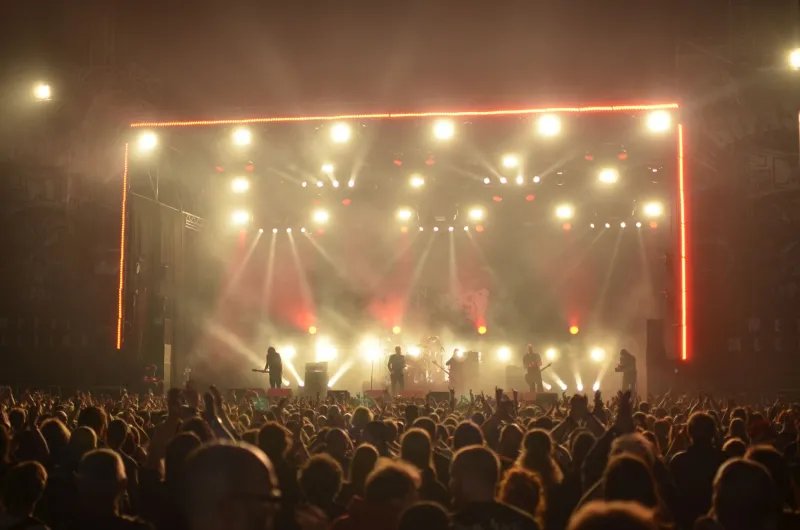
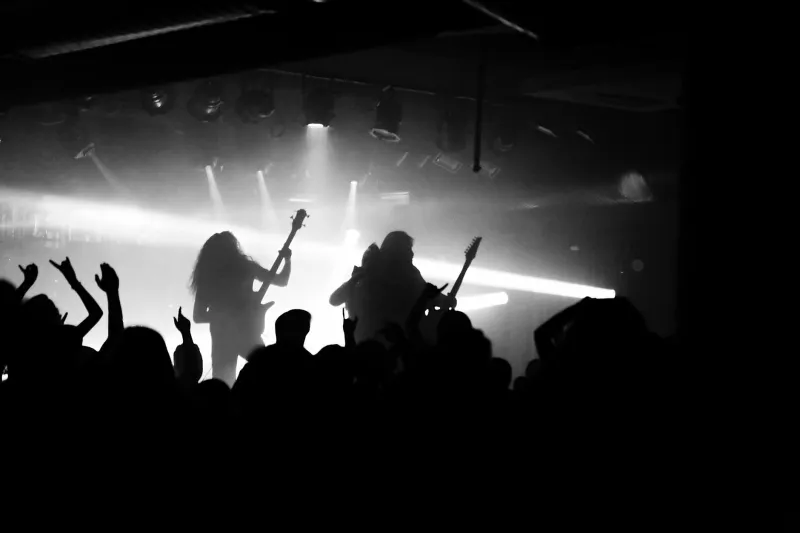
There's a moment most rock fans know all too well. The lights drop, the crowd surges forward, and for one brief second, anything feels possible. Then the opening riff kicks in — the one you've heard a thousand times, the one that's been on every radio station since 2003 — and that electric possibility quietly deflates. You're not at a rock show. You're at a greatest hits museum, and admission wasn't cheap.
This is the setlist trap, and it's swallowing bands whole.
The Safe Zone Is a Slow Death
It didn't happen overnight. The drift toward crowd-pleasing, commercially safe setlists has been creeping into rock culture for years, accelerating as streaming data gave managers and booking agents hard numbers on which songs casual fans actually recognize. The logic seems sound on paper: play what people know, keep the energy high, sell more merch at the table near the exit. But veteran concertgoers — the ones who've followed a band through four lineup changes and two "farewell" tours — are growing visibly frustrated.
"I've seen [a major alt-rock act] five times in the last decade," says Marcus, a 34-year-old from Columbus, Ohio, who asked that we not use his last name to avoid drama in his fan community. "The first three shows were completely different experiences. The last two? I could've written the setlist myself before I bought the ticket. What's the point?"
That question — what's the point — is becoming louder in fan forums, Reddit threads, and the comment sections of concert recap videos. The complaint isn't just aesthetic. It feels personal. Like the band stopped trusting the audience that actually stuck around.
Follow the Money, Find the Problem
To understand why this happens, you have to follow the cash. Touring is no longer a promotional vehicle for album sales — it IS the revenue model. With streaming payouts hovering somewhere between insulting and laughable for most mid-tier rock acts, the live show is often the primary income stream. That financial pressure lands squarely on the setlist.
Venue promoters aren't shy about where they stand. "I book based on what I know will sell," admits one regional promoter who works clubs and mid-size theaters across the Midwest. "If a band wants to play a deep-cut-heavy set, that's artistically cool, but if it means I'm looking at a half-empty room on a Tuesday, I've got a problem. The rent doesn't care about artistic integrity."
This creates a feedback loop that's genuinely hard to break. Promoters want proven draws. Bands want full rooms. Full rooms require familiar songs. Familiar songs mean the same setlist, city after city, tour after tour. And slowly, the band that once felt dangerous starts to feel like a cover act of themselves.
What a Real Rock Show Actually Costs
Here's the thing — the bands that have managed to maintain genuine credibility on the live circuit are almost universally the ones willing to take setlist risks. Think about the artists who rotate songs nightly, pull out B-sides, or occasionally play an entire album front to back. Those shows generate word-of-mouth that no marketing budget can replicate.
"When a band surprises you, you talk about it for years," says Dani Reeves, a music journalist based in Nashville who's covered the live circuit for over a decade. "I've been to arena shows that were technically flawless and completely forgettable. And I've been to sweaty 400-cap club shows where the band played three songs nobody expected and it felt like witnessing something. That's what rock is supposed to feel like."
The irony is that playing it safe often doesn't even deliver the commercial results bands are banking on. Casual fans who only know the hits aren't necessarily the ones buying VIP packages and returning for the next tour. The die-hards are. And die-hards want to be challenged, surprised, occasionally confused. They want to feel like insiders, not tourists.
The Streaming Effect Nobody's Talking About
Spotify and Apple Music have quietly reshaped what bands think audiences want. When an artist can see that their top five songs account for 80% of their streams, the temptation to build a setlist around those five songs is almost irresistible. But streaming data captures passive listening, not passionate fandom. The person who has a rock playlist running in the background while they answer emails is not the same person who drove three hours to catch a show.
Building a setlist for the background listener while ignoring the foreground fan is a category error — and it's one that's eroding the live rock experience from the inside out.
Can Bands Break the Pattern?
Some are trying. There's a growing movement among independent and mid-level rock acts to treat each tour leg as a genuinely different creative experience. Rotating setlists, regional surprises, the occasional full-album performance — these aren't just fan service gimmicks. They're statements about what kind of band you want to be.
"We made a decision a couple years back that we'd never play the same setlist twice on any given tour," says one guitarist from a touring rock band who's built a fiercely loyal following across the southern US. "Our manager thought we were crazy. But the fans started showing up to multiple dates specifically because they knew they'd get something different. It actually helped us."
The math, in other words, might not be as clear-cut as the risk-averse promoter crowd wants to believe. Authenticity, when executed with real commitment, can be its own kind of marketing.
The Credibility Debt Is Real
Street credibility in rock isn't just a vibe — it's a long-term asset. Bands that spend years playing it safe at the expense of genuine artistic risk accumulate a kind of credibility debt. Fans notice. Critics notice. And eventually, the casual fans who were supposedly being courted with familiar songs stop showing up too, because there's nothing to talk about, nothing to discover, nothing to chase.
The setlist trap isn't just about song selection. It's about whether a band still believes in the fundamental promise of rock and roll: that anything can happen when the lights go down. When that promise disappears, so does the reason to be there.
So next time you're at a show and the band reaches deep into the catalog for something unexpected — something that makes the crowd momentarily uncertain before erupting — remember what that feels like. That's not a mistake or a risk. That's the whole point.