Vinyl Bullies: When Rock's Audio Obsessives Became the Genre's Biggest Gatekeepers
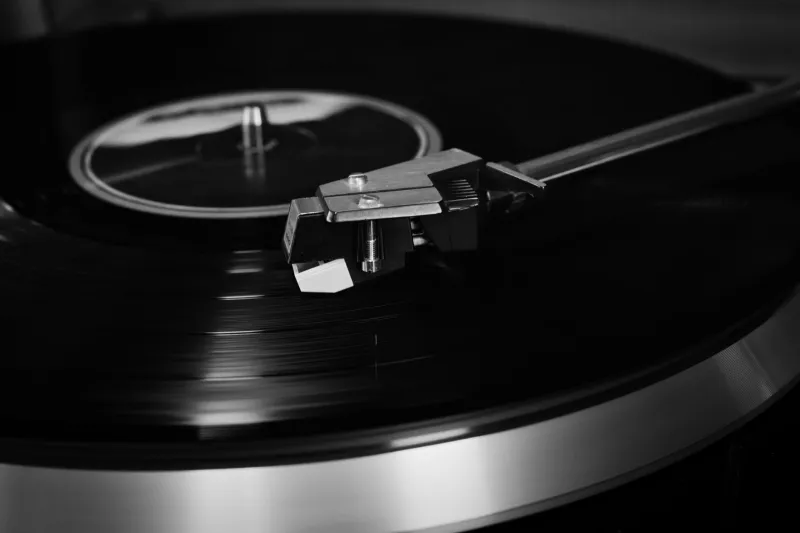
Picture this: a 19-year-old discovers Led Zeppelin for the first time through a YouTube playlist. She's floored. She starts digging deeper, finds online communities, posts something enthusiastic about how incredible Physical Graffiti sounds through her AirPods. Within hours, she's been informed — by multiple strangers — that she hasn't actually heard the album, that AirPods are "garbage transducers," that streaming compression has robbed her of the "real" experience, and that she should probably start over with a proper turntable setup that costs more than her monthly rent.
She logs off. Maybe permanently.
This is sonic gatekeeping in action, and it's doing genuine damage to rock's future.
The Rise of the Audio Purist
There's nothing inherently wrong with caring about sound quality. Audiophiles have existed as long as recorded music has, and the argument that format and fidelity matter is not without merit. Vinyl does have a warmth that compressed digital files often lack. A well-mastered record through quality speakers is a legitimately different experience than a Spotify stream through a Bluetooth speaker from Target.
But somewhere along the way, a segment of the rock fan community transformed a genuine appreciation for audio fidelity into a social hierarchy — and they've been using it as a velvet rope ever since.
"There's a difference between being passionate about sound and being a snob about it," says audio engineer and producer Claire Whitfield, who's worked on records across the rock spectrum from her studio in Austin. "I've seen people in these online spaces treat a kid who just discovered The Clash like they committed a crime because they listened on Spotify. That's not protecting the music. That's protecting your ego."
The Technical Vocabulary as Exclusion Tool
One of the more insidious aspects of sonic gatekeeping is how technical language gets weaponized. Dynamic range. THD ratings. Turntable cartridge compliance. These are real concepts with real relevance in the right context. But deployed in comment sections and fan forums, they function less as education and more as intimidation — a way to signal membership in an exclusive club and remind newcomers that they haven't earned their seat yet.
Gen Z music fans, who've grown up with streaming as the default mode of consumption, are particularly targeted. The "loudness war" debate, the CD-vs-vinyl argument, the ongoing war against MP3s — these conversations often get directed at younger listeners as proof that they're consuming music incorrectly. That they're missing something essential. That their enthusiasm is somehow invalid because it arrived via an algorithm rather than a record shop.
"I got into rock through TikTok, honestly," admits 21-year-old Jaylen from Atlanta. "Someone posted a clip of a Queens of the Stone Age song and I went down a rabbit hole. But every time I tried to engage with older fan communities, I felt like I was being quizzed. Like I had to prove I was a real fan. It was exhausting."
Does Format Actually Define the Fan?
Let's be honest about what the audiophile gatekeeping crowd is actually claiming: that the quality of your listening equipment is a measure of your devotion to the music. It's a genuinely strange position when you lay it out plainly. Chuck Berry didn't write "Johnny B. Goode" so that only people with $2,000 turntable setups could fully appreciate it.
Rock, historically, has been about accessibility and rebellion — music that punched through class barriers, that sounded great blasting from a car radio or a battered boombox. The idea that you need audiophile-grade equipment to be a legitimate fan is almost comically at odds with everything the genre was built on.
"Rock was born loud and cheap," notes music historian and writer Tom Garfield, who covers American rock culture from his base in Chicago. "Early punk bands recorded in basements on equipment that would make a modern audiophile weep. The Ramones' first album sounds like it was recorded in a parking garage. That rawness IS the art. This obsession with pristine audio quality misses the entire cultural point."
The Preservation Argument and Why It Falls Short
Audiophile gatekeepers often frame their behavior as preservation — they're keeping standards alive, protecting the integrity of the music against the degrading tide of compression and convenience. It's a noble-sounding argument that doesn't hold up particularly well under scrutiny.
If the goal is to preserve and spread rock music, then making new listeners feel unwelcome is a catastrophically bad strategy. Rock already faces real challenges attracting younger audiences. The genre's share of streaming numbers has been declining steadily, and the cultural conversation has largely shifted toward hip-hop, pop, and electronic music. In that context, treating every new listener as a suspect rather than a recruit is essentially self-defeating.
"You want to grow the genre? Meet people where they are," says Whitfield. "If someone falls in love with a rock record through a phone speaker, that's a win. Get them hooked first, then maybe introduce them to better ways of listening. But lead with the music, not the equipment."
What Gets Lost in the Noise
The cruelest part of sonic gatekeeping is what it actually drives away. Not casual fans who'll shrug and move on — those folks will find something else to listen to. What gets driven away are the curious, enthusiastic newcomers who could become the die-hard fans that keep a genre alive across generations. The ones who would have eventually bought the vinyl, attended the shows, and argued passionately about deep cuts at 2 a.m. in a diner somewhere.
Instead, they get told their AirPods are garbage and their enthusiasm is uninformed, and they go find a community that actually wants them.
Turning the Volume Down on Elitism
None of this means the audiophile perspective is worthless. Sound quality matters. Format debates are interesting. There's a genuinely rich conversation to be had about how music is produced, mastered, and consumed. But that conversation becomes toxic the moment it's used as a ranking system — a way to sort real fans from fake ones based on the price tag of their equipment.
Rock has always been loudest when it's been most inclusive. The genre's greatest moments — Woodstock, the birth of punk, the grunge explosion — happened because music reached people across every demographic and economic line imaginable. A 15-year-old hearing Nirvana for the first time through a blown-out car speaker in rural Kansas is having a legitimate, meaningful rock experience. Full stop.
The vinyl bullies might want to remember that before they drive away the last wave of fans willing to listen.